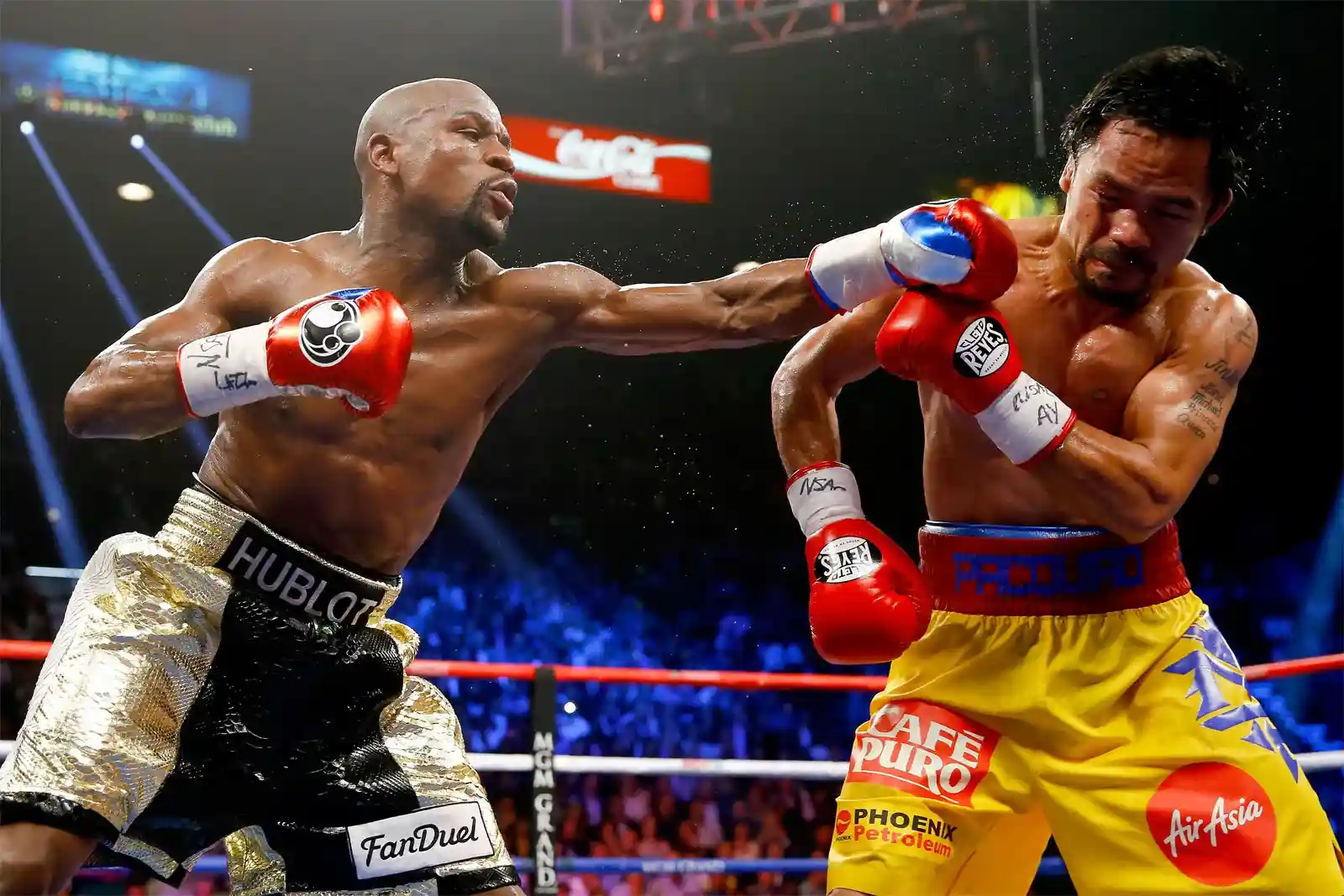
Triple Jab Boxing: Master 3 Core Techniques
Why the Triple Jab Boxing Technique Matters
Triple jab boxing is an offensive technique where you throw three consecutive jabs to overwhelm your opponent, control distance, and set up power punches.
Quick Answer: The Triple Jab Breakdown
- What it is: Three jabs thrown in rapid succession, with varying speed and power.
- Why it works: Disrupts rhythm, creates openings, and keeps opponents defensive.
- Key benefit: Sets up your cross and other power shots while maintaining control.
- Who uses it: Legendary fighters like Miguel Cotto, Muhammad Ali, and Oscar De La Hoya.
The jab is your most important weapon. It’s quick, versatile, and sets up everything else. Great boxers can win fights with their jab alone. But most fighters stop at one or two jabs, missing the technique’s full potential.
The triple jab turns this fundamental punch into a relentless offensive tool. By throwing three jabs, you’re not just poking; you’re controlling distance, disrupting timing, and forcing mistakes. That’s when you land your power shots.
This guide covers the mechanics, footwork, and strategies to make the triple jab work for you.
The Art of the Triple Jab: Core Mechanics and Footwork
The triple jab boxing technique isn’t just throwing three punches; it’s about making each one count through precise body mechanics. Think of your body as a kinetic chain where your feet, hips, shoulders, and fist work together to deliver a fast, accurate jab.

Power starts from the ground. You push off your back foot, transferring weight forward as your hips and upper body rotate into the punch.
Your lead arm extends straight, and at impact, your fist clenches to create a satisfying snap. Then you pull it back and repeat.
The key difference with a triple jab is footwork integration. Your feet must move in rhythm with your fists. Each jab should land as your lead foot plants, creating a synchronized burst of power. This is about controlled momentum that keeps you balanced and ready.
Synchronizing Your Feet and Fists
Your lead foot and lead fist should land at the exact same moment. When you perform a step-jab, you step forward with your lead leg as you extend your arm. The instant your fist connects, your front foot should plant firmly.
This maximizes force and maintains balance. The goal is to glide smoothly, not hop. Your steps should be short and explosive, giving you power without overcommitting your weight. This keeps you ready for the second and third jabs.
The “Half-Retraction” for Speed and Rhythm
For a rapid-fire triple jab, you don’t always bring your fist all the way back to your chin. Instead, use a half-retraction, pulling your fist back only halfway before snapping it out again.
This keeps constant pressure on your opponent, giving them no time to reset. Think of it like a whip, with your arm loose at the elbow. Maintain tension in your upper back and lats, which act like a spring to snap the punch back quickly. This snake-like motion allows you to maintain a relentless rhythm that disrupts your opponent and opens them up for power shots.
Strategic Variations and Setups
The triple jab boxing technique becomes a high-speed chess match when you apply strategy. It’s about reading your opponent, creating openings, and setting up fight-ending power shots. Each jab is a question, and their reaction gives you the answer.
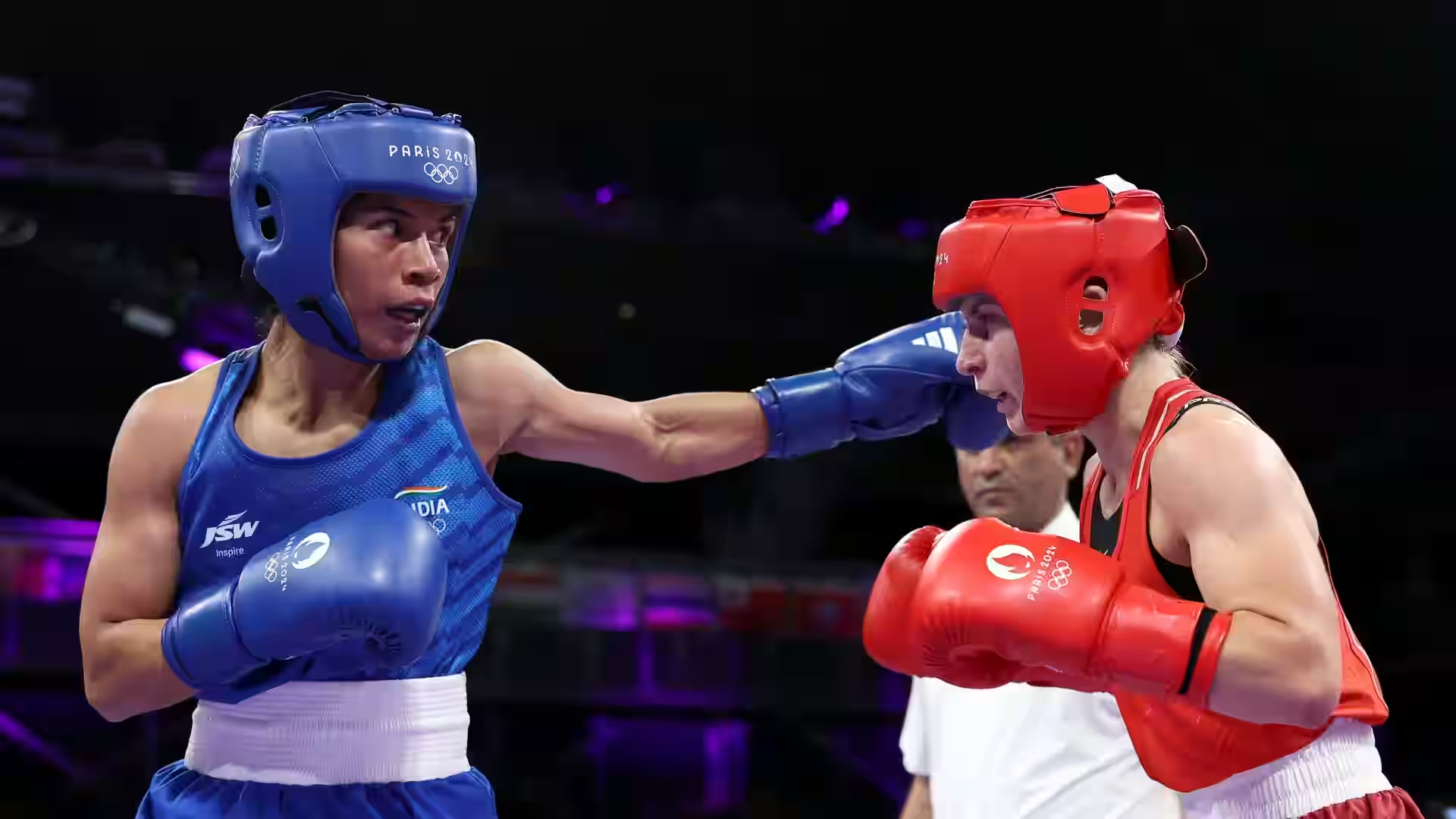
The triple jab works against both aggressive brawlers and defensive counterpunchers, but you must adapt. Against an aggressive fighter, it’s a stop sign to control range. Against a defensive fighter, it’s a probe to force a mistake. The secret is variety; uncertainty breaks down their defense.
Mastering Rhythm and Deception in Triple Jab Boxing
A predictable jab is useless. Vary the speed and power of each punch in your triple jab boxing sequence.
- Your first jab can be a light tapper jab to make them raise their guard.
- The second could be a fast blinding jab to their eyes to disrupt their vision.
- The third can be a power jab with real conviction to snap their head back.
Changing Levels and Creating Angles
Attacking the same target makes you easy to defend. Change levels to force constant adjustments. Try throwing the first jab to the head, the second to the body, and the third back to the head. This vertical attack forces their guard up and down, creating openings.
You can also incorporate a pivot jab, rotating on your front foot as you punch to create a new angle.
This adds power and moves you off the centerline, making you a harder target. Footwork is everything. Step laterally, dip at the waist, and mix up your targets (forehead, chin, chest). The goal is to confuse and disorient your opponent until you see the perfect opening for your cross or hook.
Want to practice these strategic variations with personalized guidance? Check out more info about our training features to see how OOWEE can help you master these advanced techniques.
Drills to Master Your Triple Jab Boxing Technique
Reading about the triple jab boxing technique isn’t enough—you need to build muscle memory through repetition. Whether on the heavy bag, shadowboxing, or with a partner, the goal is to make the triple jab automatic.

Heavy Bag and Double-End Bag Drills
The heavy bag is perfect for building power, speed, and endurance.
- Triple Jab & Move: Throw three quick jabs, then immediately circle the bag. This teaches you to stay fluid and balanced.
- Varying Power & Speed: Change the intensity of each jab. Try a light-hard-hard or quick-quick-power sequence to avoid predictability.
- Triple Jab to Power Shot: Fire off three jabs, then immediately follow with a cross or hook (e.g., Jab-Jab-Jab-Cross). This reinforces the jab’s role as a setup.
The double-end bag, with its unpredictable movement, is excellent for sharpening your timing, accuracy, and reflexes. Focus on landing all three jabs cleanly on the moving target.
Shadowboxing and Partner Drills for Precision
Shadowboxing allows you to focus entirely on your form. Visualize an opponent, practice your footwork, head movement, and level changes. Start slow to perfect your technique, then increase your speed.
Partner drills with focus mitts provide realistic feedback on your accuracy and power. Your partner can call out combinations and move the mitts to simulate different targets.
This “call and response” training develops your ability to react and adapt your triple jab boxing technique to dynamic situations, preparing you for the unpredictability of a real fight.
Common Mistakes and How to Defend
Even experienced boxers make mistakes with the triple jab boxing combination, leaving them open for counters. Understanding these errors and knowing how to defend against a triple jab are equally important.
| Aspect | Correct Triple Jab Form | Incorrect Triple Jab Form |
|---|---|---|
| Elbow Position | Elbow stays down and follows the line of the fist | Lifting the elbow out to the side, telegraphing the punch |
| Weight Distribution | Balanced weight transfer with each jab, staying light on toes | Shifting weight too far forward, becoming off-balance |
| Power Source | Full kinetic chain from legs through hips and shoulder | Punching with only the arm, no body rotation |
| Rear Hand | Rear hand stays up protecting the chin | Dropping the rear hand, leaving the face exposed |
| Breathing | Exhaling sharply with each punch | Holding breath, causing fatigue |
| Recovery | Quick retraction to guard position after the combo | Leaving the lead hand out too long after the third jab |
| Pattern | Varying speed, power, and targets | Throwing all three jabs at the same speed and target |
Avoiding Critical Errors When Throwing
The most common mistakes are telegraphing the punch by lifting your elbow, over-committing your weight and losing balance, and punching with just your arm instead of your whole body.
Another dangerous error is dropping your rear hand, which invites a counter-hook.
Finally, avoid predictable patterns; always vary your rhythm, speed, and targets to keep your opponent guessing.
Defensive Tactics When Facing a Triple Jab Boxing Onslaught
When someone comes at you with a triple jab boxing assault, stay calm and defend intelligently.
- Parrying: Use your rear hand to deflect the incoming jabs.
- Slipping: Use upper body rotation to make your opponent miss, putting you in position to counter.
- Head movement: Bob and weave to make yourself a difficult target.
- Timing a counter-punch: Interrupt their rhythm with your own power shot, often after their second or third jab.
- Creating distance: Take a step back to break their rhythm and reset.
The secret is reading the setup. A triple jab is usually setting up a bigger punch. Defend the jabs and watch for what comes next to find your counter-opportunity.
The Art of the Triple Jab: Core Mechanics and Footwork
The triple jab works best when the whole body contributes to each punch. Generate force from the ground up: push off the back foot, let the hips and shoulder turn slightly, extend the lead arm with the elbow tracking the fist, rotate the fist at impact, then snap back to guard.
Keep the wrist straight to protect the joints and deliver clean force.
Synchronizing Your Feet and Fists
Time a small step with your lead foot so it plants the instant the jab lands. This sync keeps you balanced, adds pop without overcommitting, and lets you flow into jabs two and three.
Some coaches even cue a subtle “stomp” to help stop momentum and channel force. Glide, don’t hop—short, controlled steps keep you ready to follow up or defend.
The “Half-Retraction” for Speed and Rhythm
Use a half-retraction between jabs to maintain speed and pressure. Keep the arm loose like a whip, with slight shoulder hunch and lat engagement to protect the chin and speed the snap-back. This relaxed, snake-like rhythm helps you fire three quick, accurate jabs without getting stuck or gassing out—key to an effective triple jab boxing sequence.
Strategic Variations and Setups
Use the triple jab boxing sequence to dictate pace. Against pressure fighters, it’s a range finder and stop sign. Versus counterpunchers, it’s a probe that draws predictable reactions you can exploit.
Mastering Rhythm and Deception in Triple Jab Boxing
Vary speed, intent, and target within the three jabs:
- Tapper jab to lift the guard or gauge range.
- Blinding jab to momentarily obstruct vision.
- Power jab with a small step and body rotation to punctuate the sequence.
Rotate patterns (light-hard-hard, quick-quick-power, hard-light-hard) so opponents can’t time you.
Changing Levels and Creating Angles
Mix head-body-head or head-chest-head to force vertical defensive shifts.
Add a pivot jab to create angles and move off the centerline; step laterally to circle like Ali and become a harder target. Footwork plus varied targets opens lanes for crosses and hooks.
To explore how these dynamic movements and strategic variations can be integrated into your personalized training, find more about our advanced features: More info about our training features.
Drills to Master Your Triple Jab Boxing Technique
Build timing, accuracy, and endurance so the triple jab becomes automatic.
Heavy Bag and Double-End Bag Drills
- Triple Jab & Move: Fire three jabs, then circle the bag to reset angles and balance.
- Varying Power & Speed: Mix rhythms (light-hard-hard, quick-quick-power) to avoid predictability.
- Triple Jab to Power Shot: Jab-Jab-Jab-Cross (or lead hook) to reinforce the jab as a setup.
Use the double-end bag to sharpen precision and timing by landing all three jabs cleanly on a moving target.
Shadowboxing and Partner Drills for Precision
Shadowbox to refine footwork, level changes, and relaxed mechanics—start slow, then add speed. With focus mitts, use call-and-response: partner moves targets (head/body), adds light defensive cues (parry/slip), and you adapt your triple jab boxing timing and placement in real time.
Common Mistakes and How to Defend
Avoiding Critical Errors When Throwing
- Telegraphing: Don’t lift the elbow or pause—stay relaxed and snap the jab from guard.
- Overcommitting: Don’t dump weight onto the front leg; keep steps short to maintain balance.
- Arm-Only Punching: Drive from the legs, hips, and shoulder—use the full kinetic chain.
- Dropping the Rear Hand: Keep the guard tight to avoid counters, especially hooks.
- Predictable Rhythm: Vary speed, targets, and patterns; exhale on each punch and recover fast.
Defensive Tactics When Facing a Triple Jab Boxing Onslaught
- Parry with the rear hand to disrupt rhythm.
- Slip inside/outside to create counter angles.
- Keep subtle head movement to be a hard target.
- Time a counter (often after jab two) with a straight right or hook.
- Step back to break their sequence and reset range.
- Read the setup—expect a power shot after the triple jab and prepare your answer.
Conclusion
You now have the playbook for the triple jab boxing technique, from mechanics and footwork to strategy and defense. The jab is the most important punch in boxing, and multiplying it by three creates a relentless offensive tool that keeps your opponent defensive and vulnerable.
Legends like Muhammad Ali, Oscar De La Hoya, and Miguel Cotto controlled entire fights with strategic jabbing, setting up devastating power shots. But reading about it isn’t enough. Only practice will make you better.
You need hours on the heavy bag, shadowboxing to perfect your form, and partner drills to sharpen your timing.
You don’t have to train alone. The OOWEE app brings personalized, voice-guided boxing training to your phone, acting as a coach in your pocket. It calls out combinations and helps you perfect techniques like the triple jab, with vocal cues that integrate with your music to keep you motivated.
Whether you’re a beginner or a seasoned boxer, the triple jab deserves a place in your training. Master it, and you’ll control the ring.
Ready to take your boxing to the next level? Start your personalized training journey.